
Take twenty dollars into an estate sale and there is an excellent chance the first thing you want costs twenty dollars. It may even be a good thing. Give yourself one lap anyway. You’ll learn where the books are, which room has the fragile stuff, and whether there’s a second thing you’d rather spend the money on.
Before the sale, decide what twenty dollars buys
For a first trip, I’d set a $10 limit on any one uncertain object and leave at least $5 in my pocket until the last pass. That gives you room for a $5 book and a $10 framed print, with $5 left for a surprise. If there is one $20 thing you would be happy to own at that price, you can spend the whole budget there. Ask the organizer how prices and discounts work at this sale. The answer is worth more than guessing based on what happened last Saturday.
Three places I’d spend time
- The bookshelves. Look for something you’d open at home. Spend a minute on the title and copyright pages. A handsome cover can make you forget to check whether the book is complete. How to check an edition before you buy.
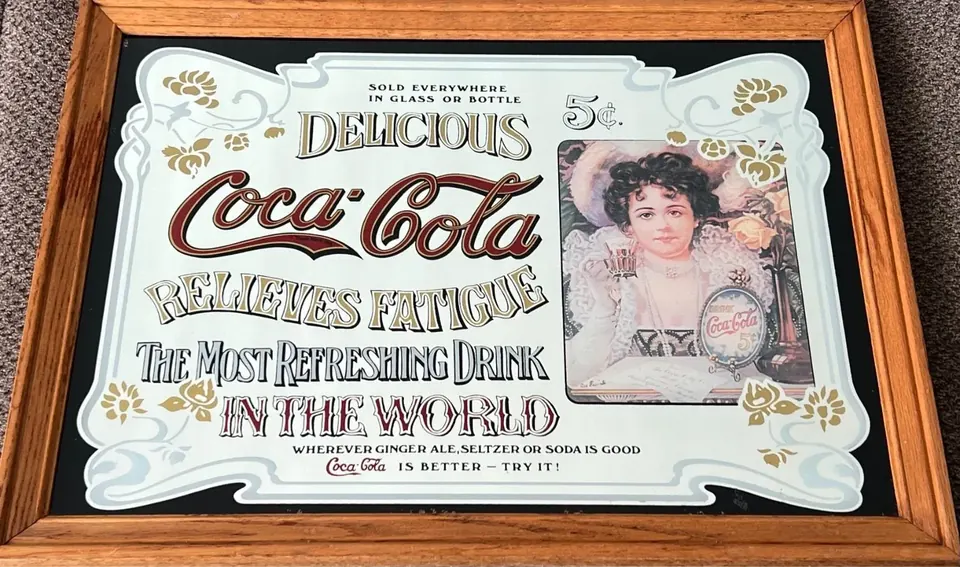
- The wall with the frames. Look at the image first. Then check the glass and the corners of the frame, and see what you can read on the back. A maker’s label changed what there was to say about this Coca-Cola mirror.
- The table you nearly skipped. Pick up the small thing with a mark you can read. Check the underside and rim for a name, a chip, or a hairline. Think about where it would go once you got it home. If it only makes sense to you at somebody else’s hypothetical price, leave the $10 in your pocket.
What to do when you want a second opinion
With the seller’s permission, take a full photo and a close-up of the mark or damage. Scan them in What’s It Worth? for a starting identification and an estimate. If you’re still on the fence, ask in Dive Deeper which detail would make the biggest difference. While the sale is quiet, take the extra minute. If the room is moving fast, make the decision you can live with at the price on the sticker.
The test I like for a twenty-dollar trip is simple. If I come home with one thing I’m still curious about and some money left, I’ll probably go back next weekend.